
What Is Instability Training?
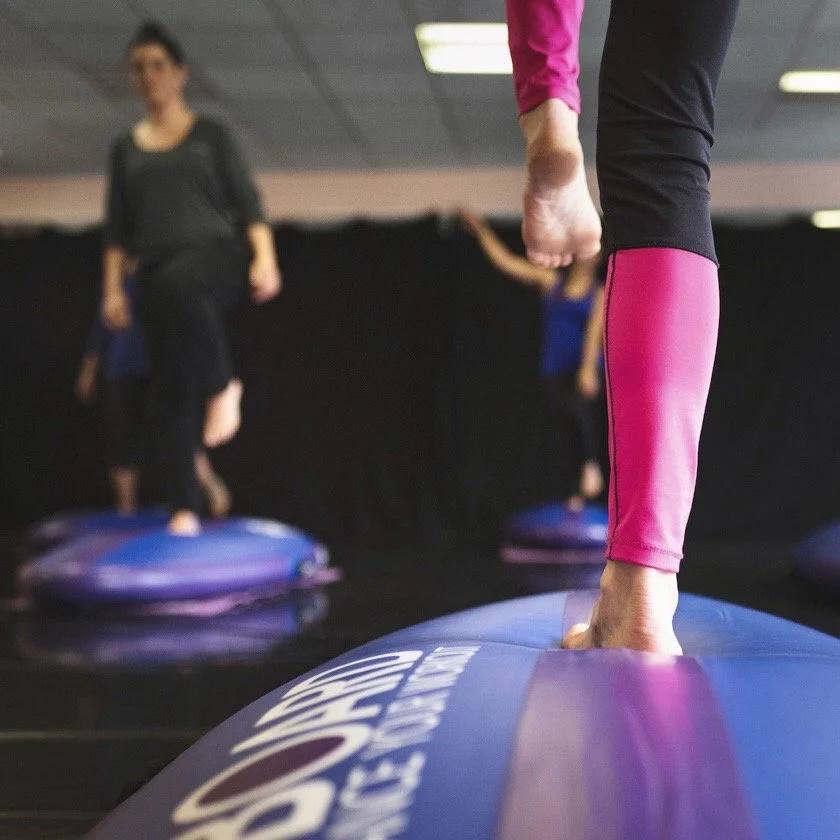
Instability training is a form of functional fitness that challenges the body by introducing unstable surfaces or dynamic movement environments during exercise. Unlike traditional workouts performed on stable ground, instability-based training forces the body to continuously adapt through balance, coordination, posture control, and stabilizer muscle activation.
This type of training can be performed on equipment such as balance boards, unstable platforms, aquatic fitness systems, BOSU trainers, or water-based workout environments like AQUA STAND UP®.
As instability training grows in popularity, athletes, fitness professionals, rehabilitation specialists, and wellness enthusiasts are increasingly using it to improve movement quality, core activation, body awareness, and overall functional fitness.
How Does Instability Training Work?
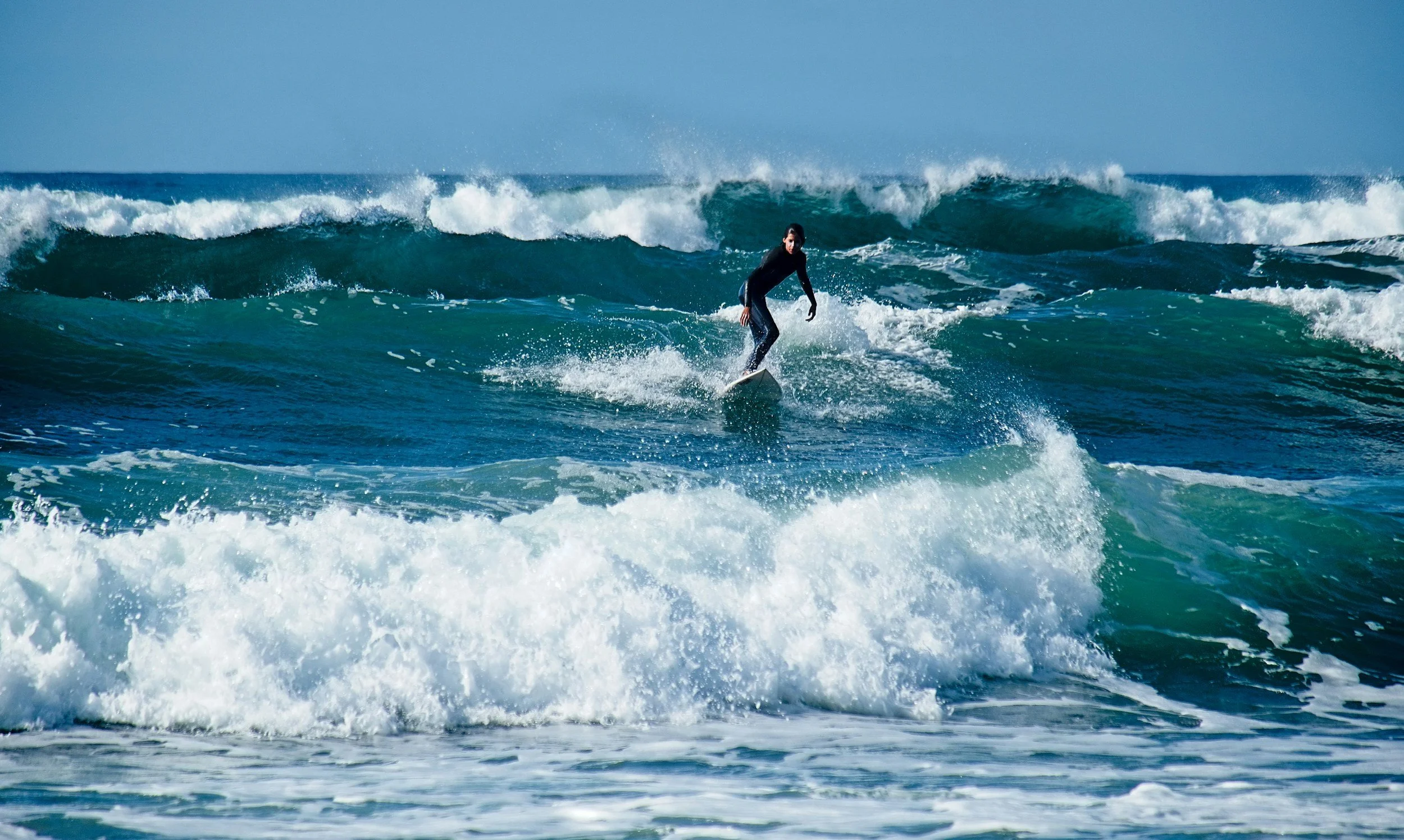
When the body is placed on an unstable surface, muscles must constantly react to maintain balance and control movement. Instead of relying only on major muscle groups, the body recruits smaller stabilizer muscles responsible for coordination, posture, and joint stability.
This continuous adaptation creates a dynamic training environment where the body works harder to maintain alignment and movement efficiency.
Examples of instability-based training include:
Balance board workouts
Water-based fitness training
Paddle board fitness
BOSU exercises
Core stability exercises
Functional movement workouts
Aquatic instability training
Because instability challenges the neuromuscular system, exercises often require greater concentration, coordination, and body awareness compared to traditional gym workouts.
Benefits of Instability Training
Improved Balance & Coordination
One of the primary benefits of instability training is improved balance and coordination. Constant adjustments during movement help train the body to react more efficiently to changes in position and movement patterns.
This can benefit:
athletes
fitness enthusiasts
older adults
rehabilitation programs
functional movement training
Improved balance also supports everyday movement quality and injury prevention.
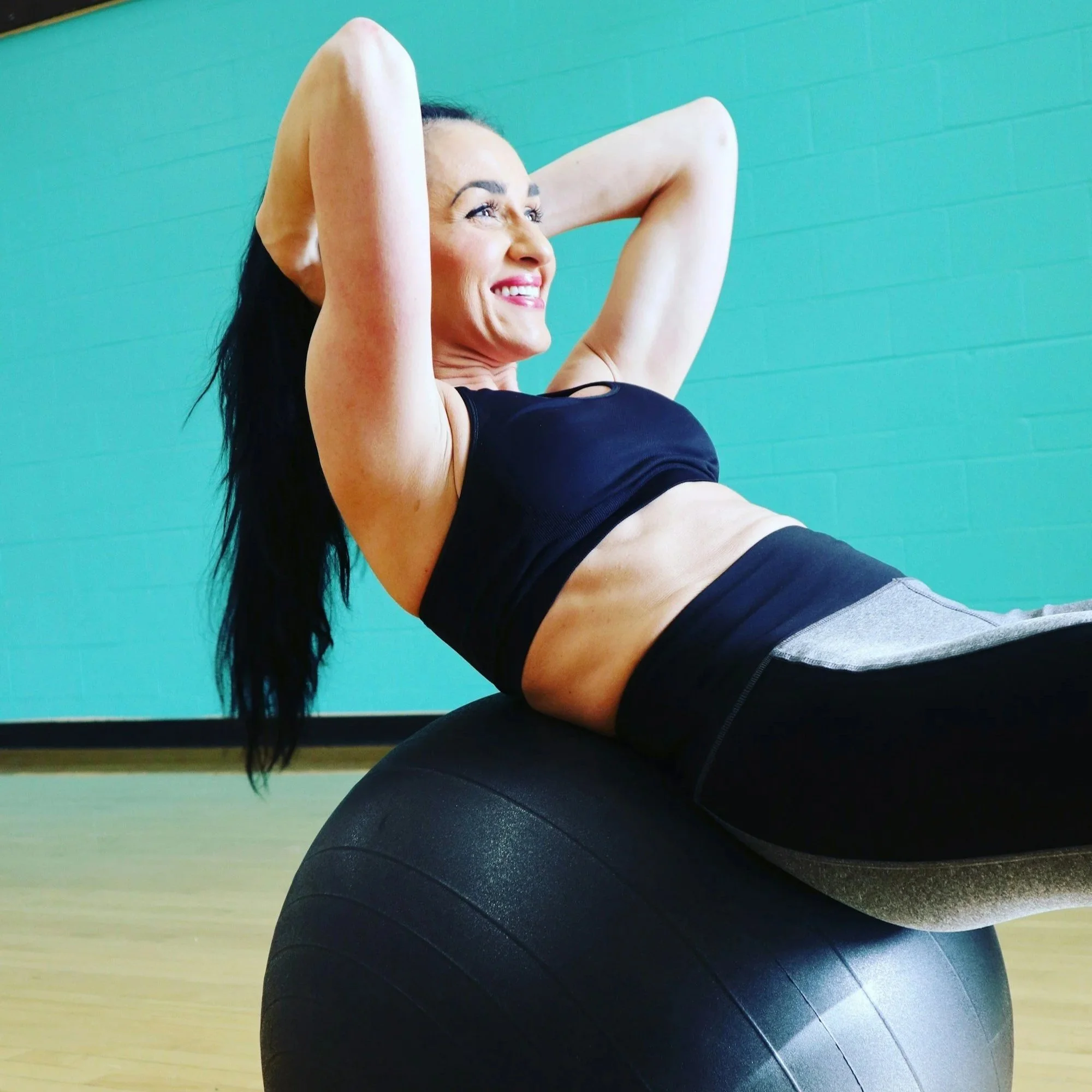
Increased Core Activation
Instability training naturally increases core engagement because the body must stabilize itself during exercise.
Unlike isolated abdominal workouts, instability-based exercises activate multiple muscle groups simultaneously to maintain posture and control movement.
This creates:
stronger core activation
improved posture
better spinal support
enhanced movement control
Water-based instability workouts like AQUA STAND UP® are especially effective because the body constantly adapts to the movement of water.
Enhanced Stabilizer Muscle Engagement
Traditional workouts often focus primarily on large muscle groups. Instability training, however, activates deeper stabilizer muscles that help support joints and improve movement efficiency.
These muscles play a critical role in:
posture
coordination
balance
injury prevention
functional strength
Over time, instability-based fitness can improve overall body control and movement awareness.
Functional Fitness Benefits
Instability training closely mimics real-life movement demands because the body rarely moves on perfectly stable surfaces during everyday activities.
By training balance, coordination, and movement adaptation, instability workouts can improve:
athletic performance
body awareness
agility
reaction time
movement quality
This makes instability training highly valuable for functional fitness and sports conditioning.
Low-Impact Yet Challenging
Many instability-based workouts create high levels of muscular engagement while remaining relatively low-impact on the joints.
Aquatic instability training, in particular, combines:
water resistance
dynamic instability
low joint impact
This creates effective full-body workouts suitable for many fitness levels.
Instability Training on Water
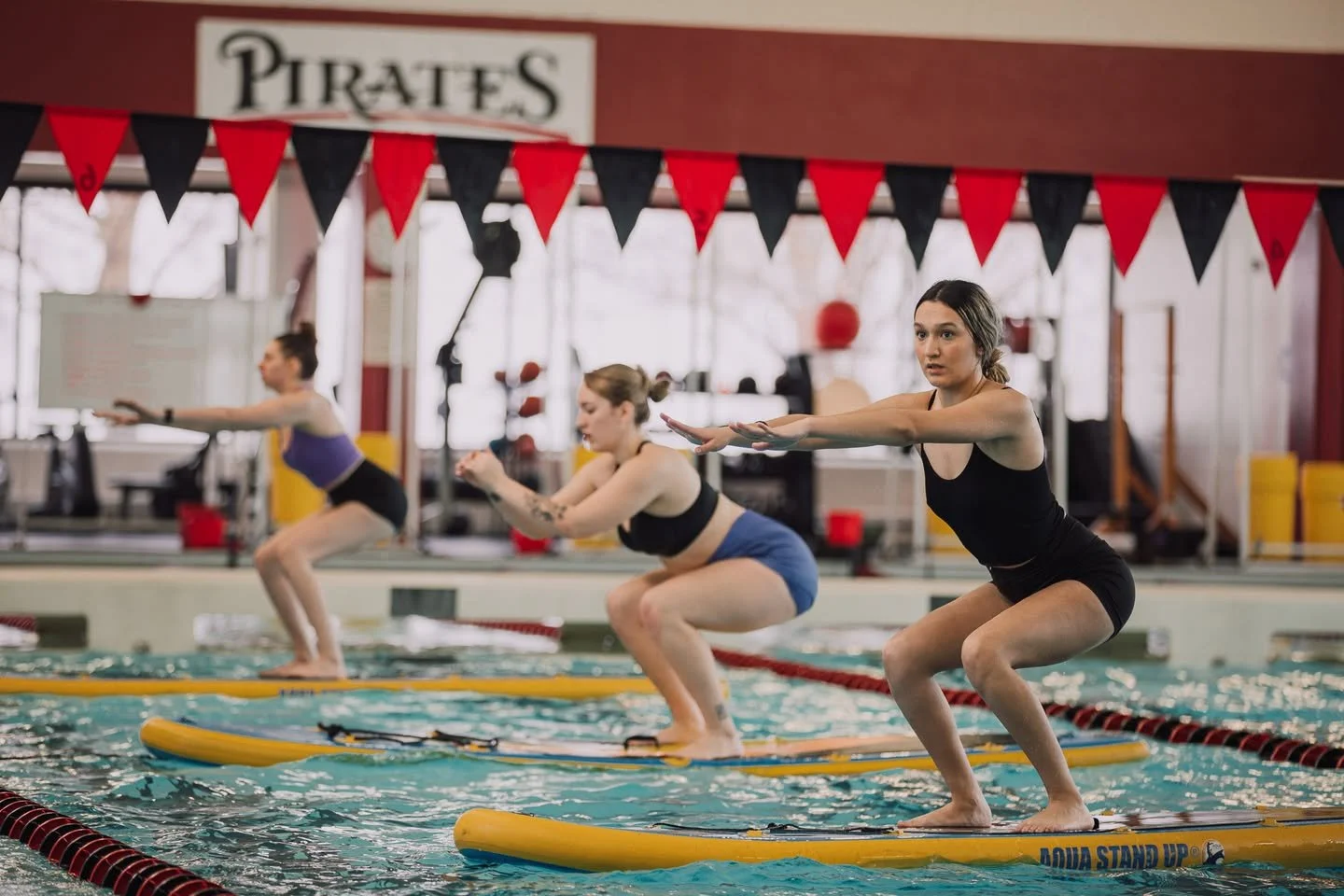
Water creates one of the most dynamic instability environments possible.
Unlike stable gym floors, water continuously moves beneath the body, forcing constant muscular adaptation and neuromuscular engagement.
Programs like AQUA STAND UP® combine balance training, aquatic fitness, posture control, coordination, and functional movement into full-body workouts performed directly on water.
Because water constantly shifts, the body must remain fully engaged throughout the session, increasing:
core activation
body awareness
balance
coordination
movement efficiency
Water instability training is also popular for:
low-impact fitness
wellness programs
aquatic exercise
rehabilitation-focused movement
functional training
Instability Training on Land
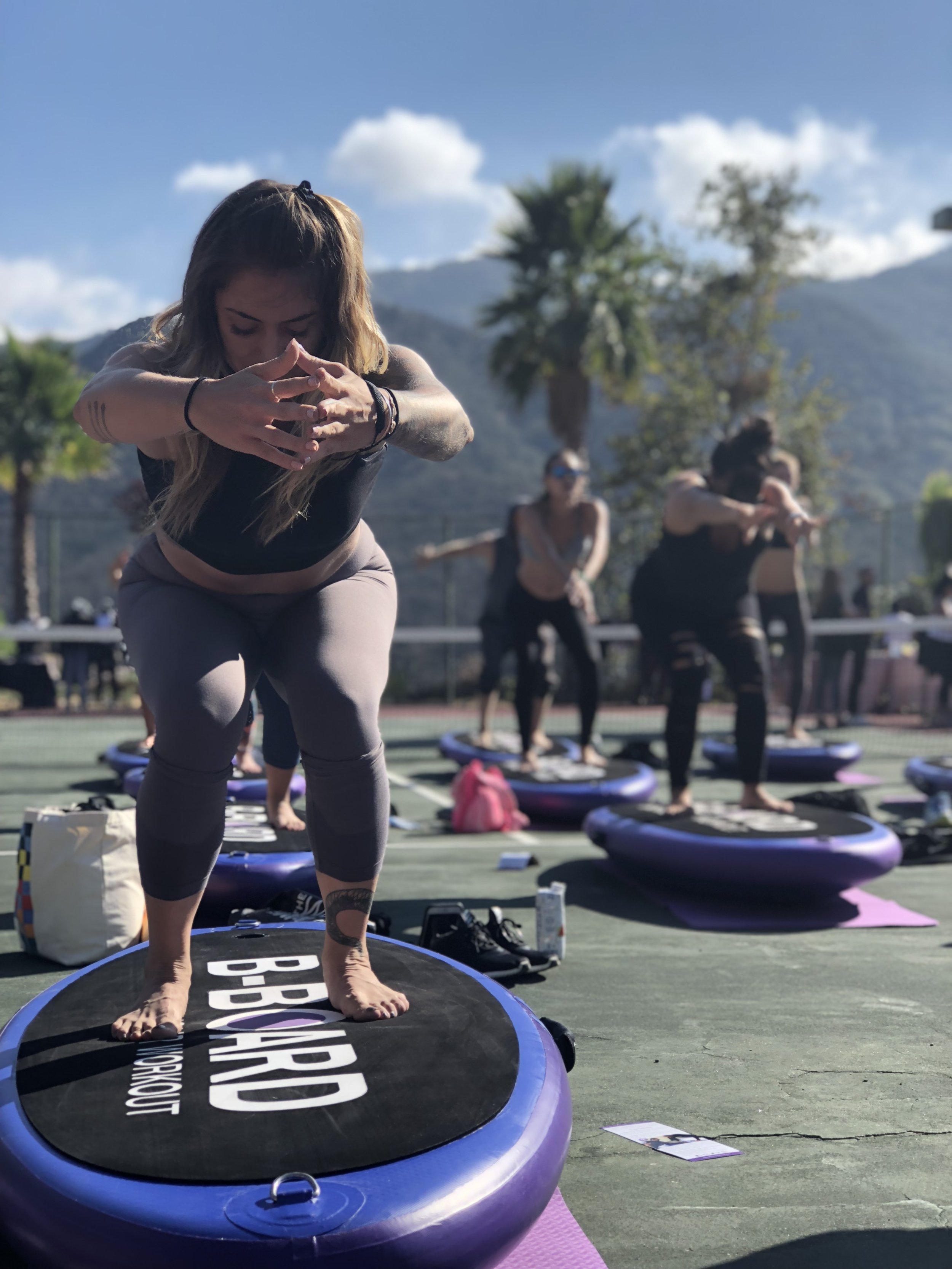
Land-based instability systems also create highly effective movement challenges.
Programs like B-BOARD® recreate the challenge of paddle boarding on land through dynamic unstable surfaces designed to activate stabilizer muscles and improve posture, coordination, and full-body engagement.
Land instability workouts can be integrated into:
group fitness classes
personal training
athletic conditioning
wellness programs
functional fitness routines
Who Can Benefit From Instability Training?

Instability training can be adapted for many populations and fitness levels.
It is commonly used by:
athletes
personal trainers
fitness beginners
active aging populations
rehabilitation professionals
aquatic fitness participants
wellness-focused exercisers
Because exercises can be modified based on ability, instability-based fitness creates scalable workouts suitable for both beginners and advanced participants.
Is Instability Training Effective?

Research and real-world application continue to show that instability training can improve:
balance
coordination
core activation
posture
body awareness
functional movement
When integrated properly into a fitness program, instability-based exercises provide dynamic movement challenges that traditional stable-surface workouts often cannot replicate.
The key is using instability intentionally to improve movement quality and neuromuscular control rather than simply making exercises more difficult.
Discover Instability Training On Water & Land
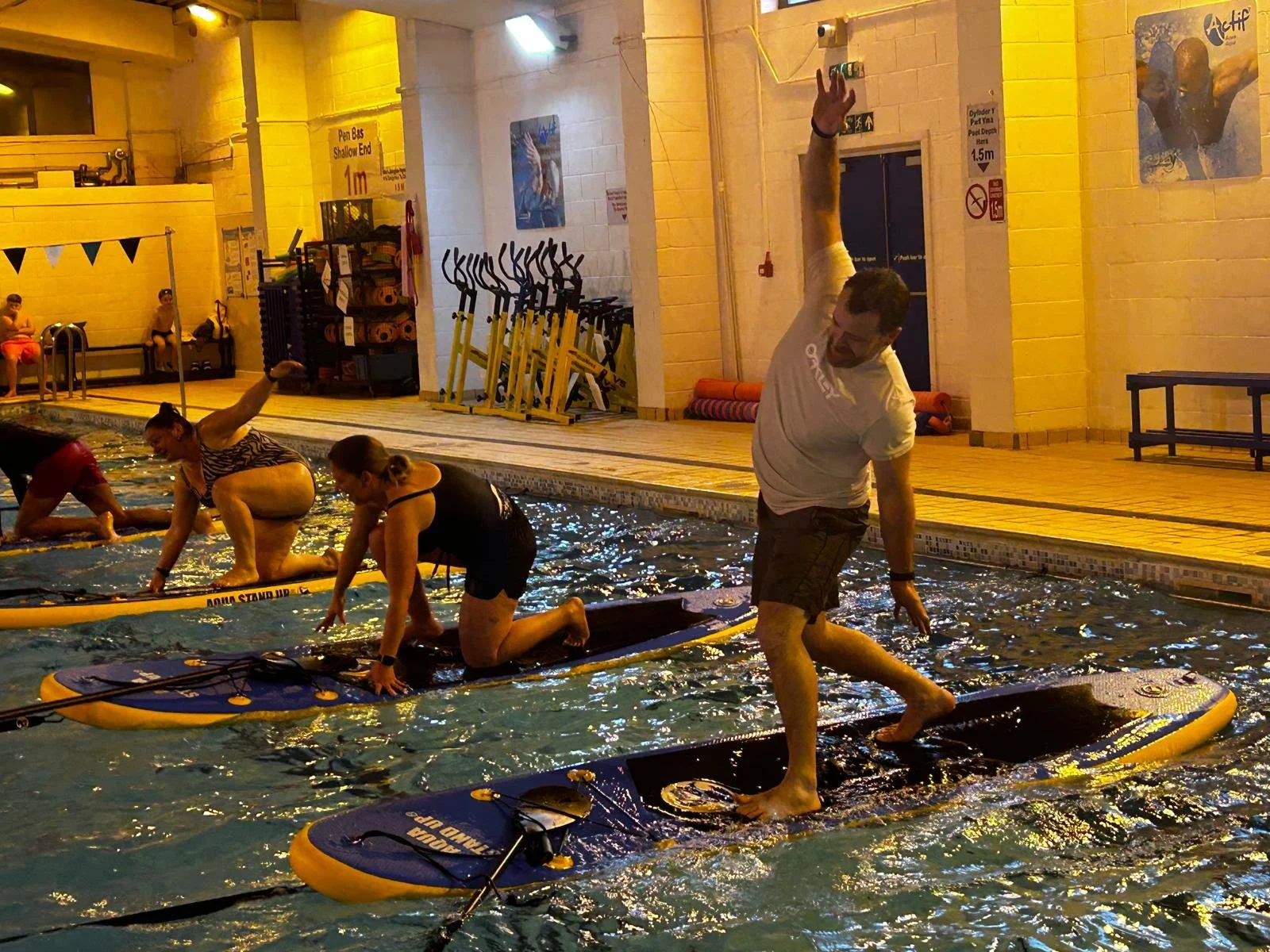
Instability training can take many forms, but the principle remains the same: challenge the body to continuously adapt, stabilize and control movement.
LEVEL FITNESS applies this approach in two different environments. B-BOARD® brings purposeful instability to land for balance, strength and functional movement, while AQUA STAND UP® uses the constantly changing surface of water to create a unique aquatic fitness experience.
Want to understand the training philosophy behind both experiences? Discover how the LEVEL FITNESS Method® uses purposeful instability to develop balance, coordination, functional strength and body awareness.
