
10 Effective Balance Training Exercises You Can Do at Home
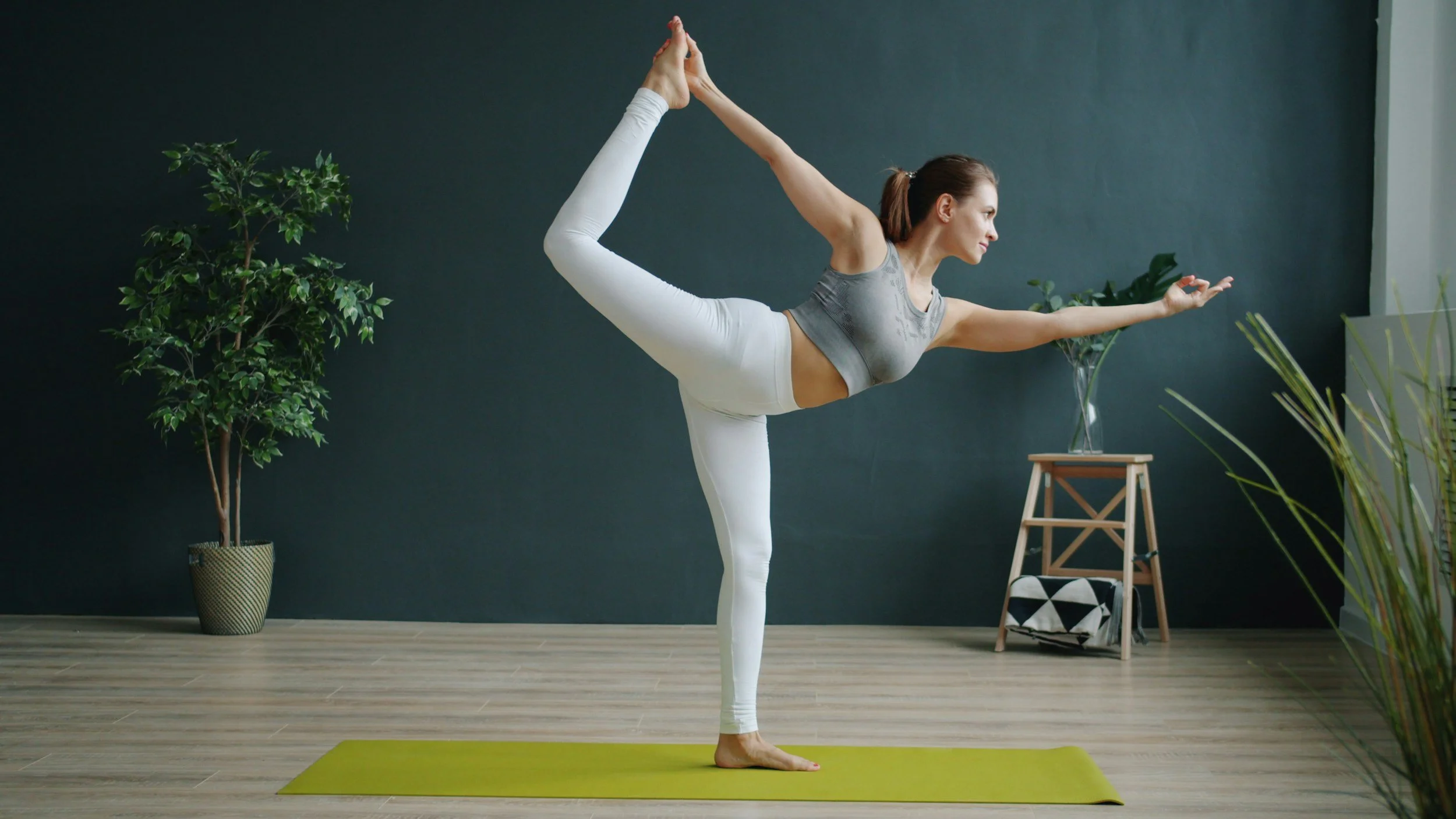
Balance training is one of the most effective ways to improve core strength, stability, posture, coordination, and overall athletic performance. Whether you’re a beginner starting a fitness journey or an athlete looking to enhance performance, incorporating balance exercises into your routine can help strengthen stabilizer muscles, improve proprioception, and reduce the risk of injuries.
Balance training at home doesn’t require a gym or complicated equipment. Many effective balance exercises can be performed in a small space using just your body weight, while instability tools can add an extra challenge as you progress.
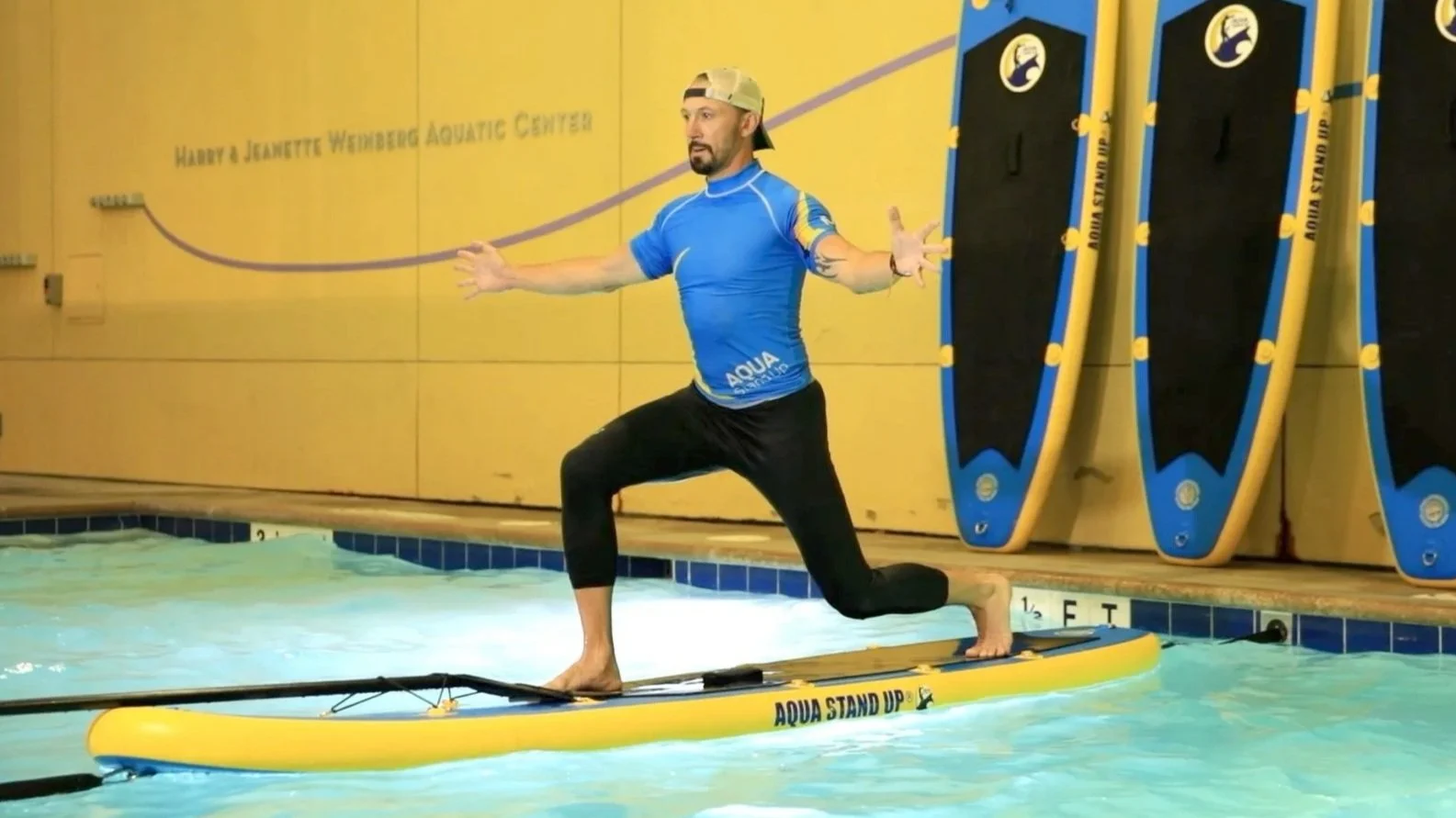
At LEVEL FITNESS, balance-focused workouts using the B-BOARD® and AQUA STAND UP® systems are designed to combine instability training with functional movement for a full-body workout experience.
What Is Balance Training?

Balance training involves exercises that challenge your body’s stability and coordination. These movements force your core and stabilizing muscles to activate continuously in order to maintain control.
Benefits of balance training include:
Improved core strength
Better posture and body awareness
Enhanced coordination and athletic performance
Increased joint stability
Injury prevention
Better mobility and flexibility
Stronger mind-muscle connection
Balance training is also highly effective for rehabilitation, functional fitness, yoga, paddleboard training, and low-impact workouts.
Why Instability Training Is So Effective
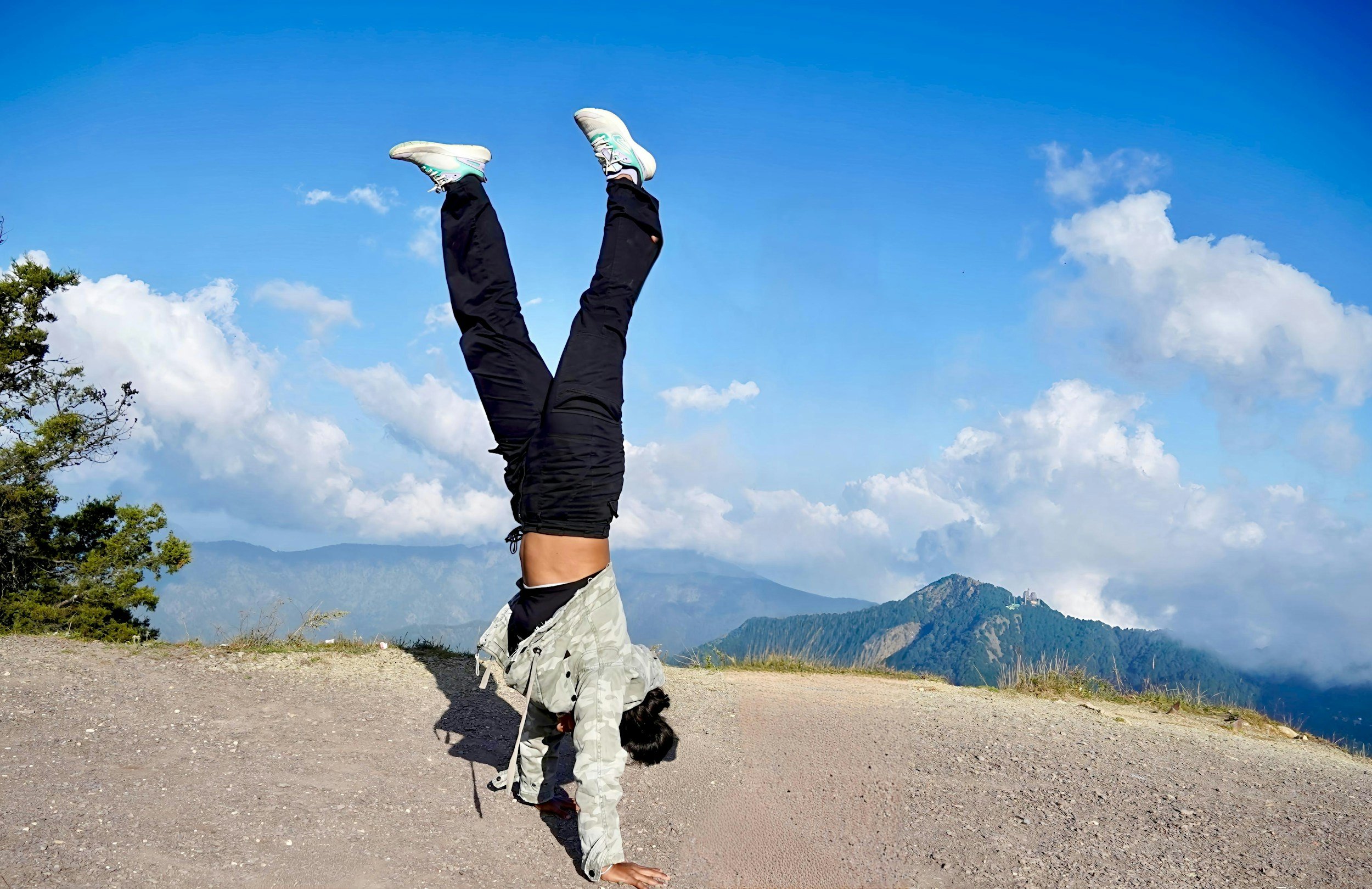
Balance training creates an unstable surface or environment that forces your muscles to work harder to maintain balance. This activates deep stabilizing muscles often missed during traditional workouts.
Examples include:
Balance boards
BOSU balls
Stability cushions
Paddleboards
The B-BOARD® & AQUA STAND UP® training system
Unlike standard gym exercises, instability workouts challenge the entire body simultaneously, especially the core, legs, glutes, and postural muscles.
1. Single-Leg Stand
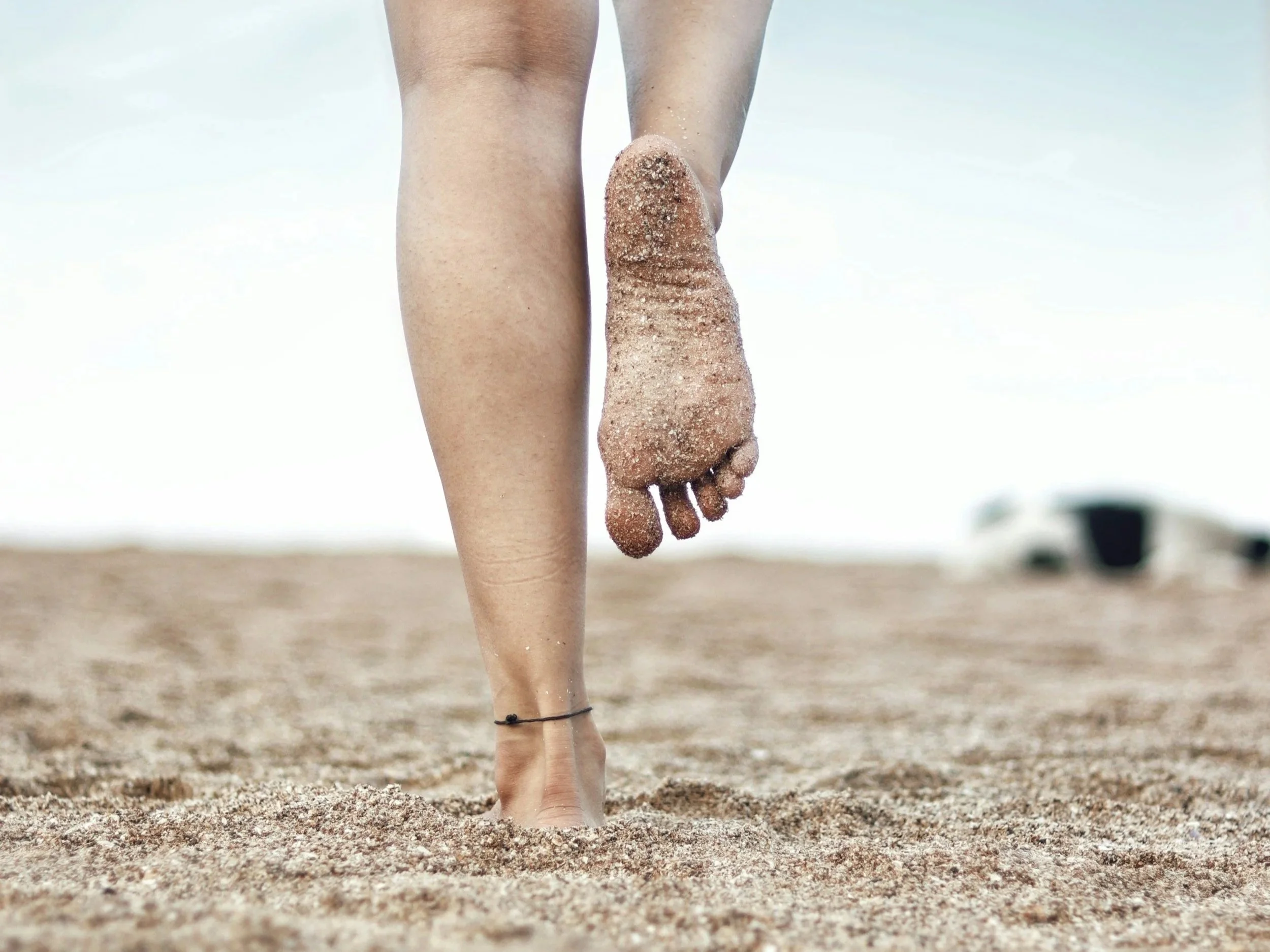
This beginner-friendly exercise improves stability, ankle strength, and coordination.
How to do it:
Stand tall with feet hip-width apart.
Lift one foot off the floor.
Hold for 20–30 seconds.
Switch sides.
Tip:
To increase difficulty:
Close your eyes
Move your arms
Stand on a soft surface
2. Heel-to-Toe Walk
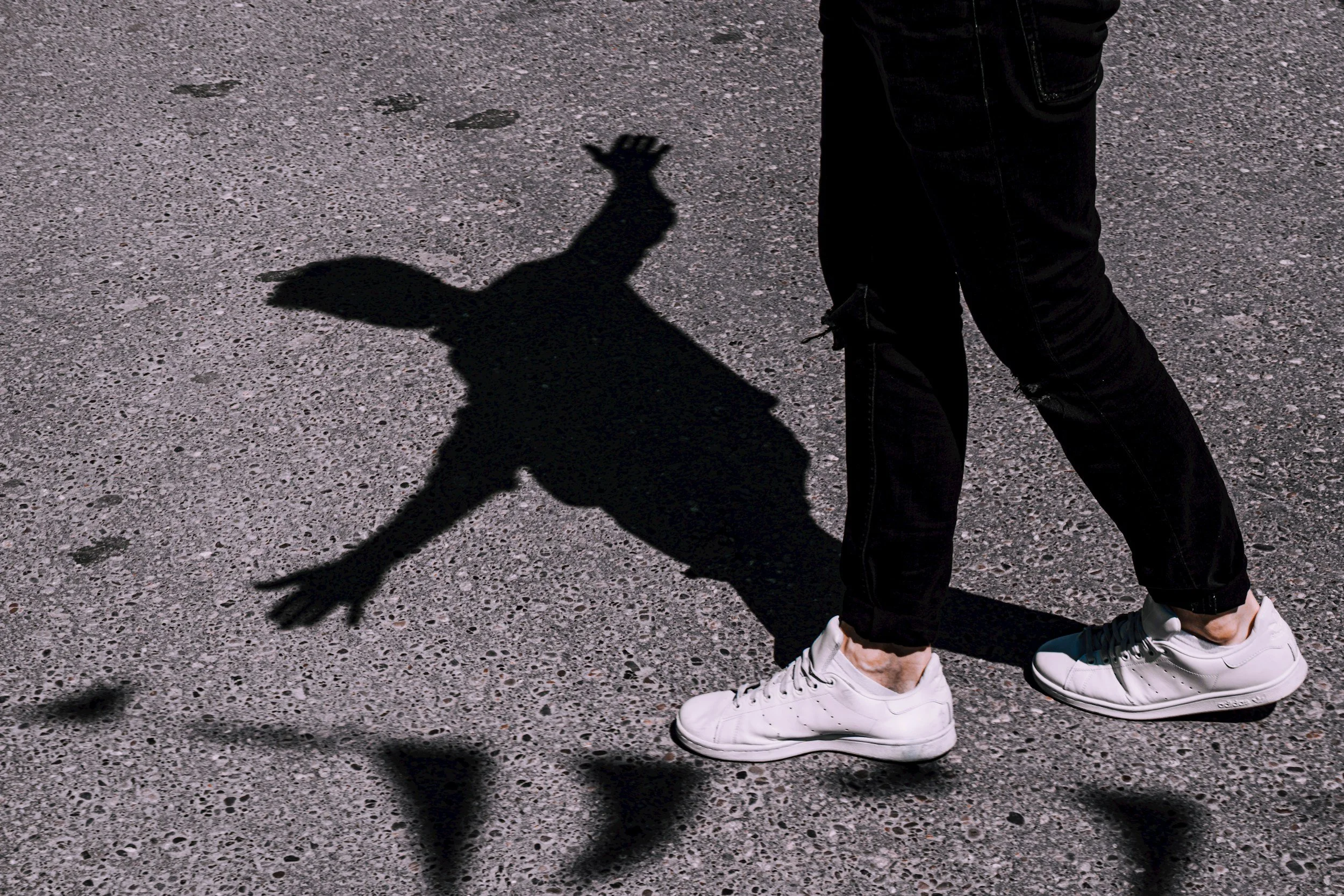
This exercise enhances coordination and body control.
How to do it:
Walk in a straight line.
Place the heel of one foot directly in front of the toes of the other.
Move slowly and stay controlled.
This movement is excellent for improving proprioception and posture.
3. Glute Bridge March
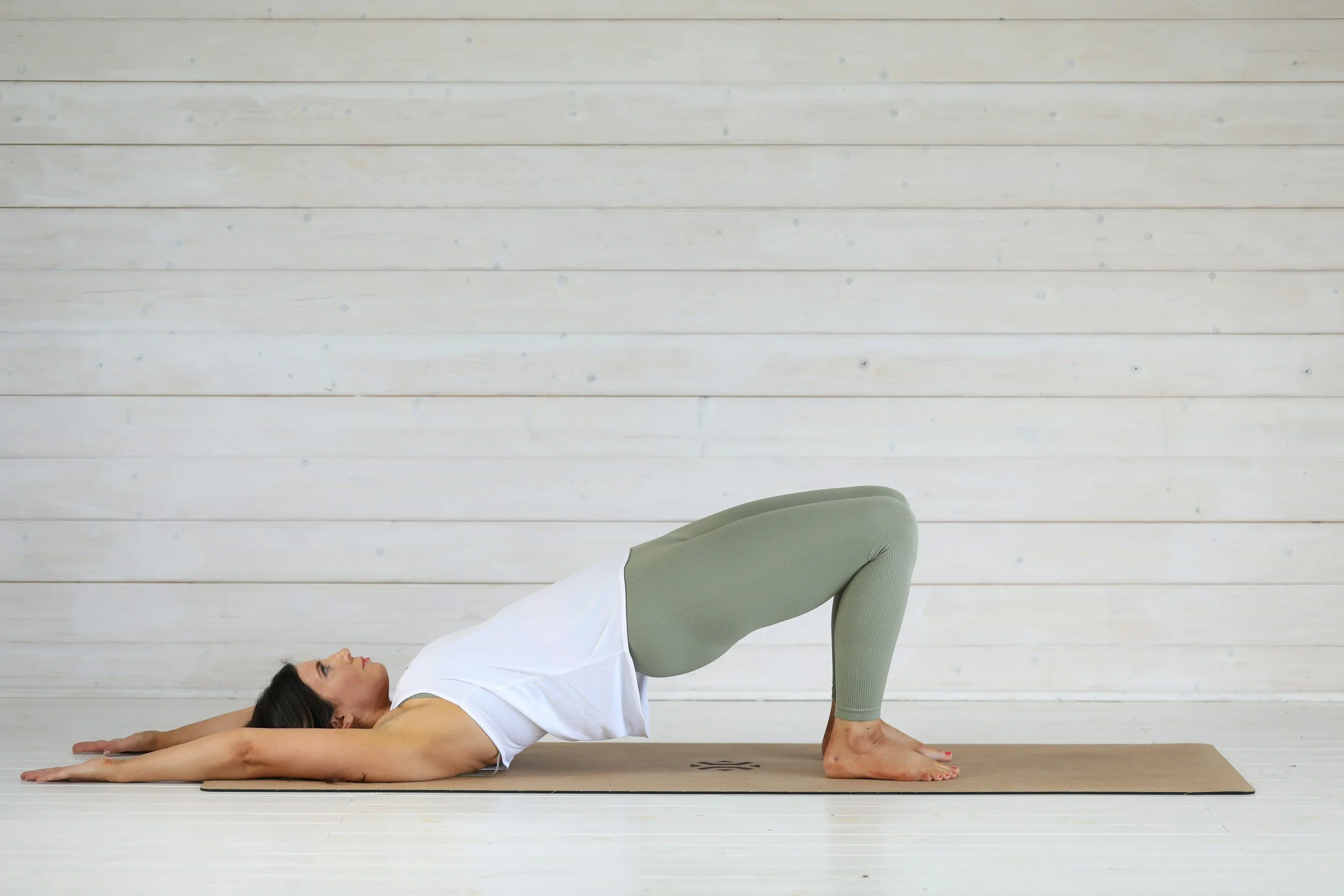
A powerful exercise for core stabilization and hip strength.
How to do it:
Lie on your back with knees bent & heels close to your hips
Lift hips into a bridge position.
Slowly bring one knee toward your chest keeping the pressure on the opposite foot (heel)
Alternate sides while keeping hips stable.
4. Plank With Shoulder Taps
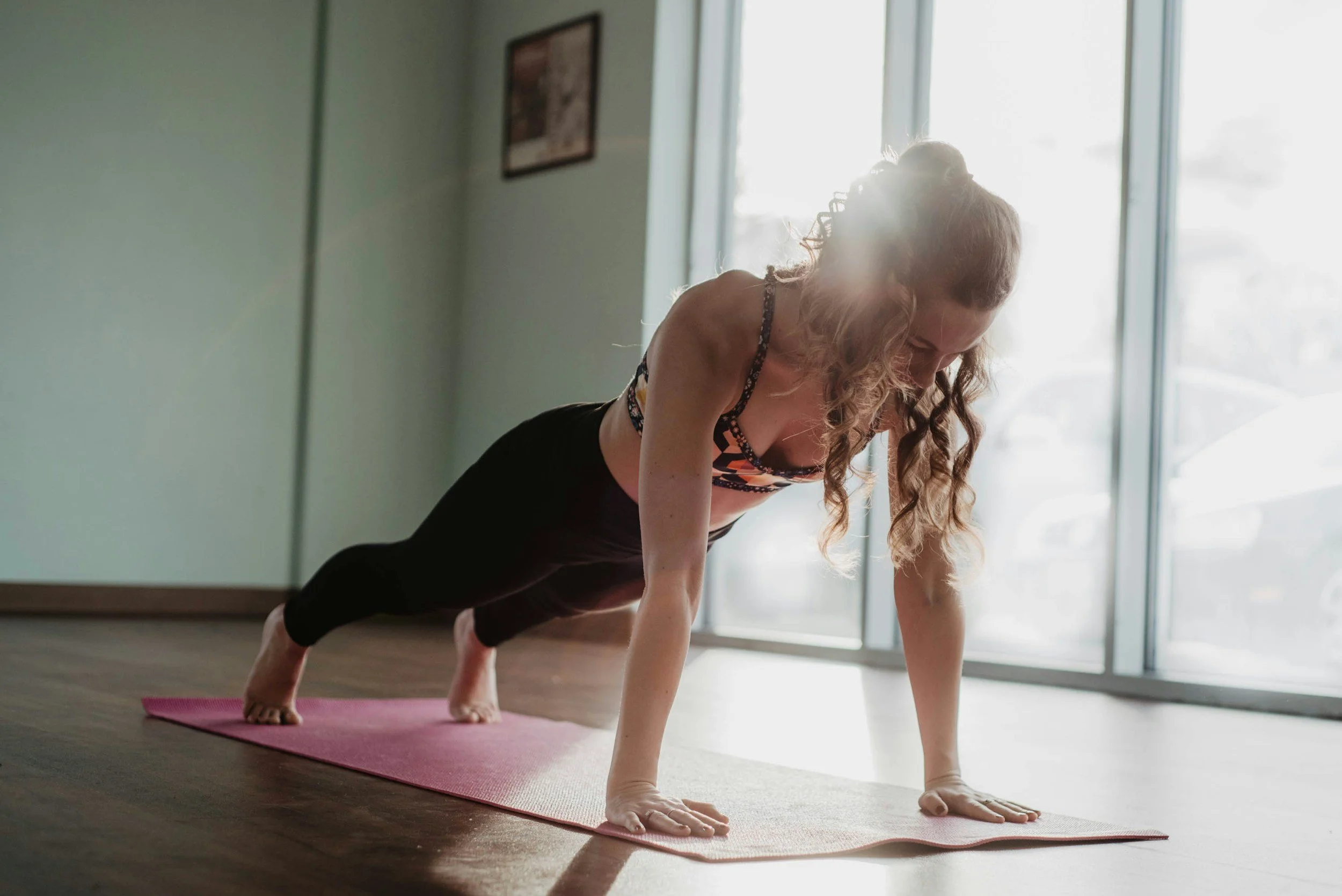
This exercise strengthens the core while improving anti-rotational stability.
How to do it:
Start in a high plank position (shoulders underneath hands).
Tap one shoulder with the opposite hand.
Alternate slowly while minimizing hip movement.
5. Squats on an Unstable Surface
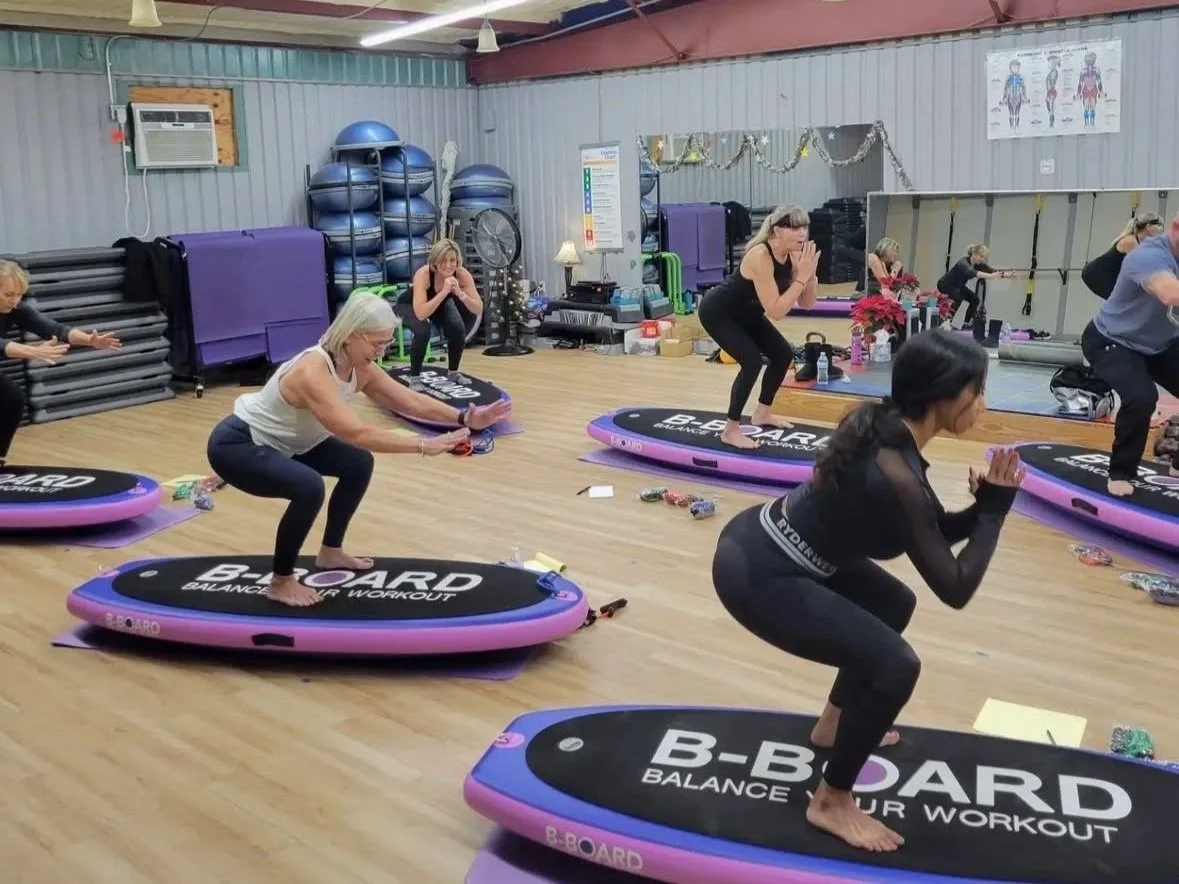
Using instability during squats activates stabilizer muscles and improves coordination.
This is where balance board workouts become extremely effective.
The B-BOARD® & AQUA STAND UP® system creates dynamic instability that engages the core throughout the movement.
Benefits:
Core activation
Leg strengthening
Joint stabilization
Improved posture
6. Bird Dog Exercise
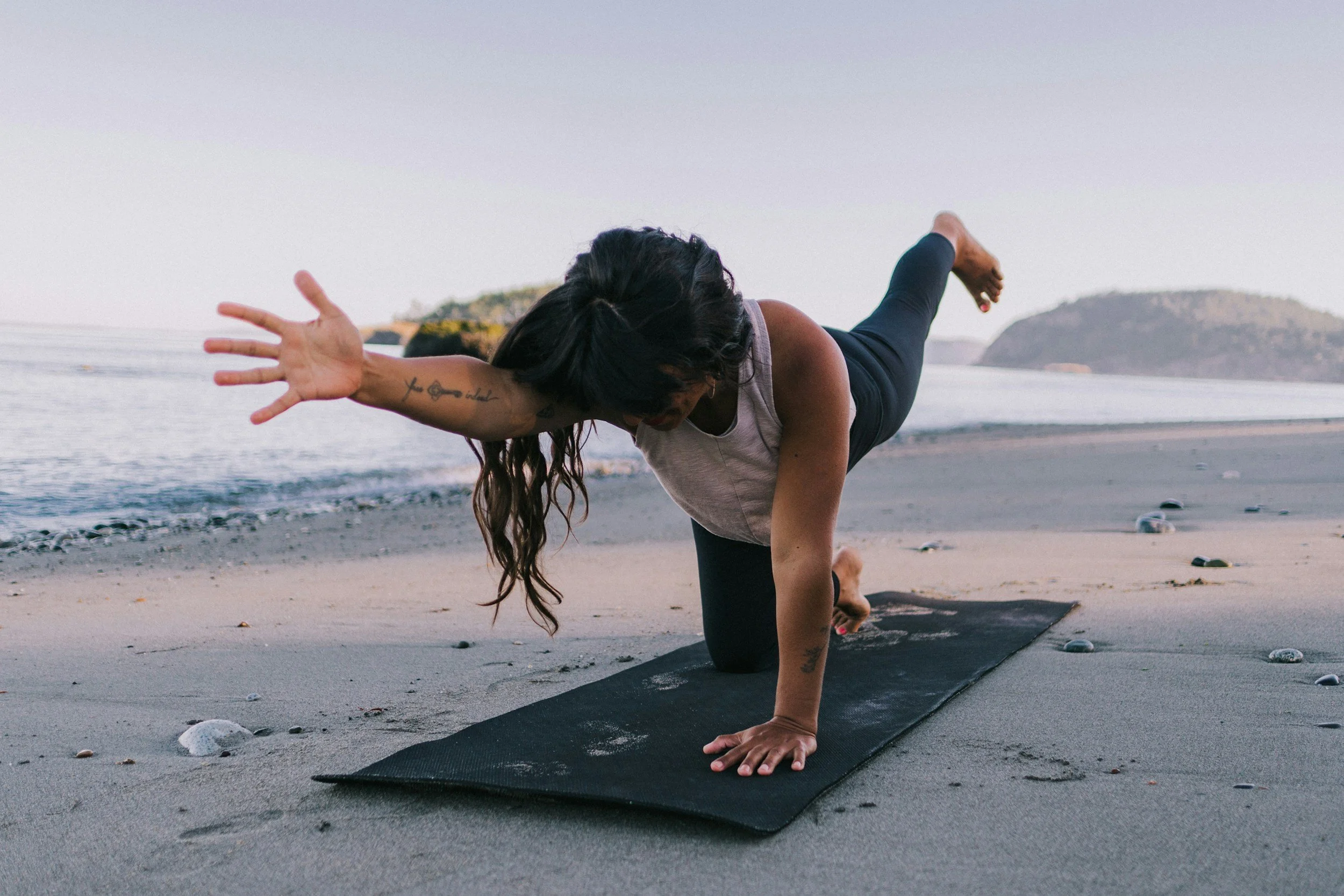
The bird dog exercise improves spinal stability, coordination, and balance.
How to do it:
Begin in a table top pose, on hands and knees.
Extend one arm and the opposite leg.
Hold briefly.
Return slowly and switch sides.
7. Lateral Lunges
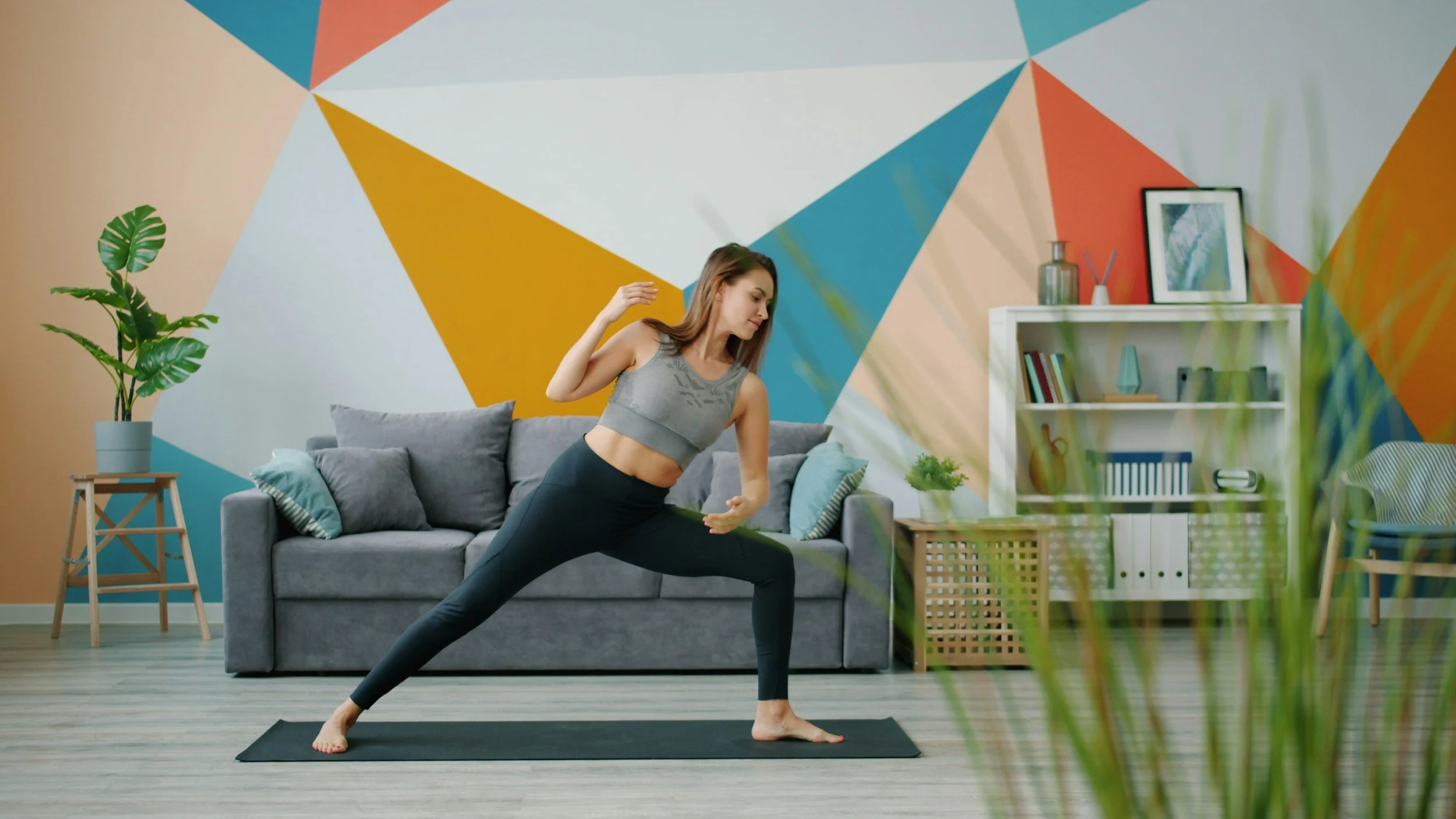
Lateral movements improve side-to-side stability and lower-body strength.
Benefits:
Hip mobility
Glute activation
Knee stabilization
Athletic performance
8. Standing Knee Raises
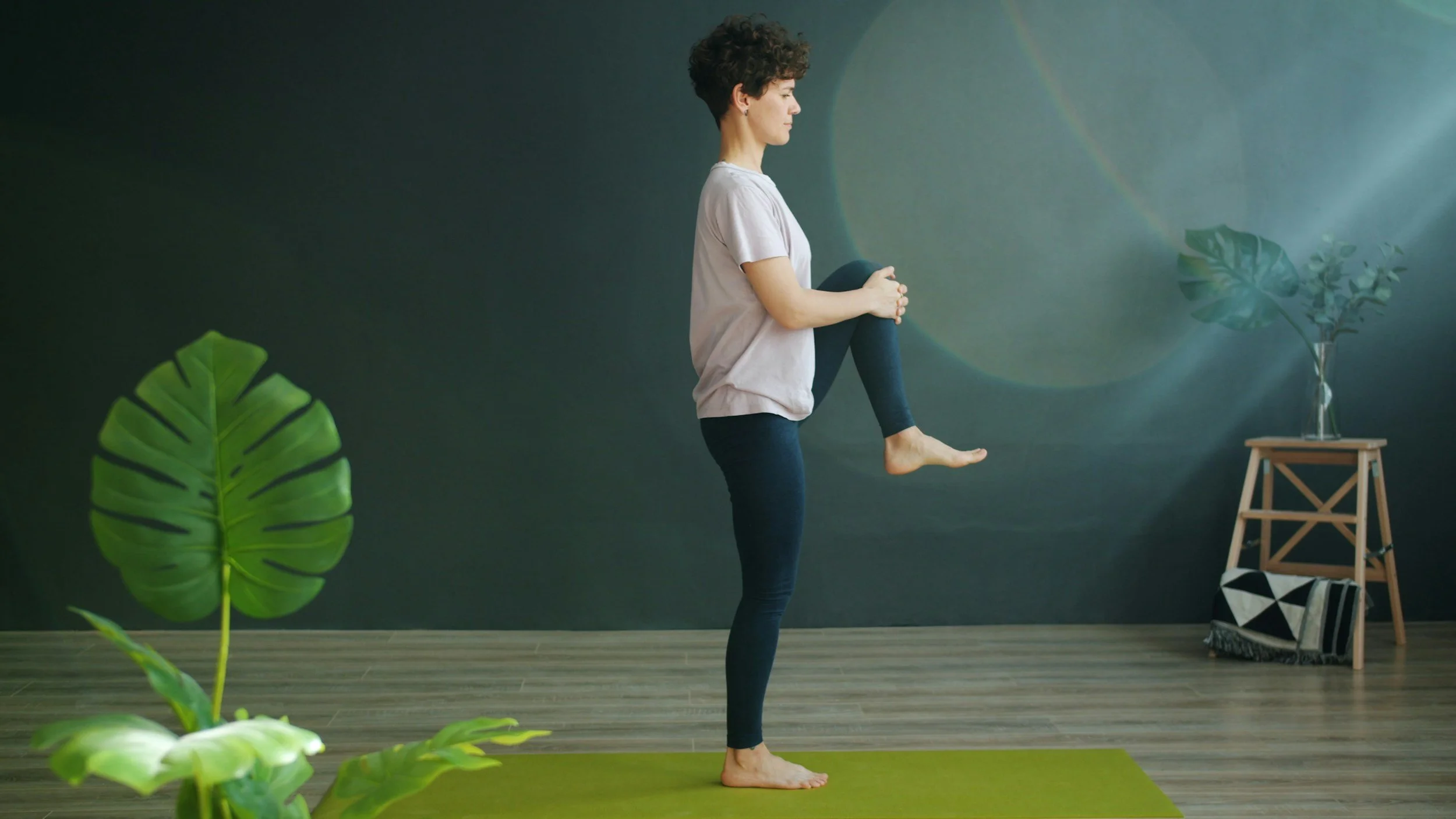
A simple but highly effective movement for beginners.
How to do it:
Stand tall.
Lift one knee to hip height.
Pause briefly.
Lower slowly and repeat.
This exercise strengthens the core while improving coordination and stability.
9. Side Plank
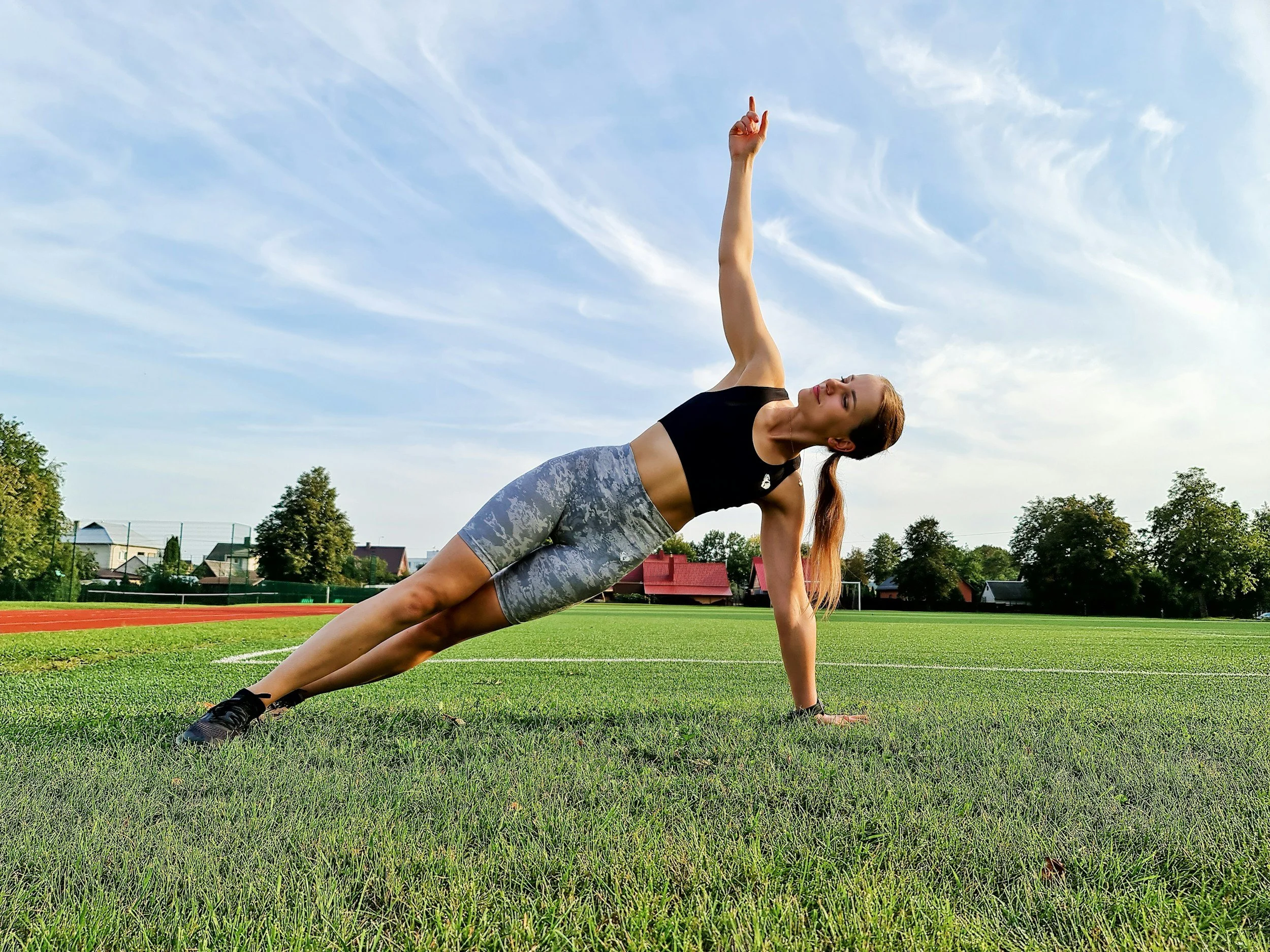
Side planks strengthen:
Obliques
Shoulders
Glutes
Stabilizer muscles
This exercise is excellent for posture and injury prevention.
10. Balance Board Training
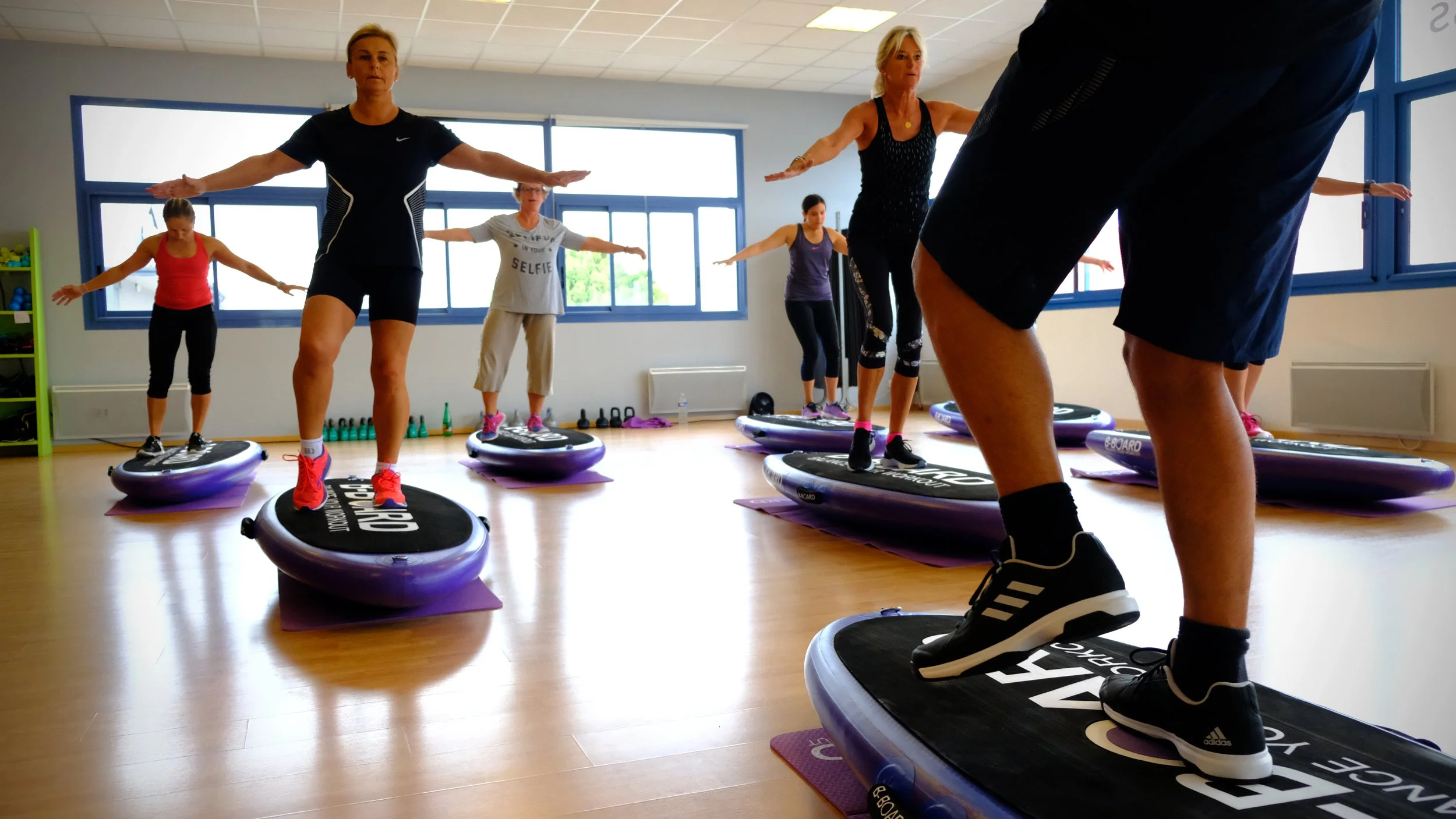
One of the most effective ways to improve balance is through dedicated balance board workouts.
Training on unstable surfaces improves:
Core engagement
Reaction time
Joint stability
Proprioception
Athletic coordination
The B-BOARD® & AQUA STAND UP® training system combines instability training with functional fitness movements to create a dynamic full-body workout experience suitable for beginners and advanced users alike.
How Often Should You Do Balance Training?
For best results:
Beginners: 2–3 times per week
Intermediate/Advanced: 3–5 times per week
Even 10–15 minutes daily can significantly improve coordination, stability, and core strength over time.
Who Can Benefit From Balance Training?

Balance workouts are beneficial for:
Beginners
Athletes
Yoga practitioners
Paddleboard & surf enthusiasts
Seniors
Rehabilitation patients
Anyone wanting better core strength and posture
Because balance training is low impact, it can be adapted to nearly every fitness level.
Final Thoughts
Balance training is much more than standing on one foot. It is a powerful form of functional fitness that improves coordination, stability, proprioception, and full-body strength.
By incorporating instability training and balance-focused exercises into your routine, you can build a stronger core, improve posture, reduce injury risk, and enhance overall movement quality.
Whether using simple home exercises or advanced balance board workouts like the B-BOARD® or AQUA STAND UP® system, consistency is the key to seeing results.
Explore more balance-focused fitness solutions and instructor programs at LEVEL FITNESS official website.
Want to add instability to your balance training? Explore these 10 balance board exercises using an unstable surface.
Ready to Progress Your Balance Training?
Once basic balance exercises become comfortable, the next step is to introduce controlled instability.
B-BOARD® transforms familiar movements such as squats, lunges, planks, strength exercises, yoga and Pilates by placing the body on an unstable inflatable surface. Instead of simply performing the movement, your body must continuously adjust to maintain balance, coordination and control.
This makes B-BOARD® a unique option for taking balance training beyond traditional floor exercises—whether you train at home, with a personal trainer or as part of a fitness program.
Discover B-BOARD® and experience balance training on land.
